ESOS Phase 4: How Carbonxgen Helps Improve Data Quality, Compliance, and Business Performance
Carbonxgen
ESOS Phase 4 is a crucial moment for UK companies to enhance their energy management practices, boost the quality of energy data and comply with the regulations. By simplifying the reporting obligation on carbon, Carbonxgen can help organisations comply with complex compliance and reporting requirements and identify operational savings. Carbonxgen assists companies with their professional energy assessment and strategic planning to enhance efficiency and environmental impact. With technical knowledge and energy intelligence, Carbonxgen helps organisations turn compliance requirements into tangible business gains.
To grasp the basics of ESOS Phase 4 and why it is significant to businesses in the UK.To learn the fundamentals of ESOS Phase 4 and its relevance for businesses in the UK.
The Energy Savings Opportunity Scheme (ESOS) is a mandatory UK initiative that requires qualifying large businesses to assess their energy consumption and identify practical ways to improve efficiency.
The 6 December 2023 to 5 December 2027 will be the compliance period for ESOS Phase 4. The qualification date is 31st December 2026 and qualifying organisations are required to submit a compliance notification by 5th December 2027.
The scheme is delivered through the Environment Agency’s reporting system, and will involve businesses that choose to participate undertaking energy audits, keeping records and taking measures to improve efficiency.
Why energy compliance is important
Energy compliance is no one’s burden. It enables businesses to understand consumption trends, discover ineffective processes and lead investment decisions.
Carbonxgen helps organizations link regulatory evaluations to real-world energy management actions. This will enable management teams to see more clearly how they are running their operation and to anticipate future sustainability needs.
Carbonxgen’s Energy Data Quality advantages.The benefits of Carbonxgen’s Energy Data Quality.
Good energy data is important for making sound assessments and reporting to regulators. For businesses that have several facilities, it can be difficult to get a unified picture of utilities consumption, have a single set of utility records, or have a single reporting system.
Carbonxgen is a solution to some of these challenges by providing structured energy data collection, validation and analysis.
The accurate collection of data and validation
Reliable information from electricity, gas, transport and other energy sources is needed to make effective energy assessments.
Carbonxgen collaborates with businesses to bundle consumption data, audit utility bills, analyze metering data, and reconcile discrepancies that might impact the reporting.
Better data validation allows companies to create reliable energy baselines and opportunities to reduce needless energy use.
Centralised Energy Monitoring
Without a consistent reporting procedure, it is possible to get complex in managing energy information at multiple sites.
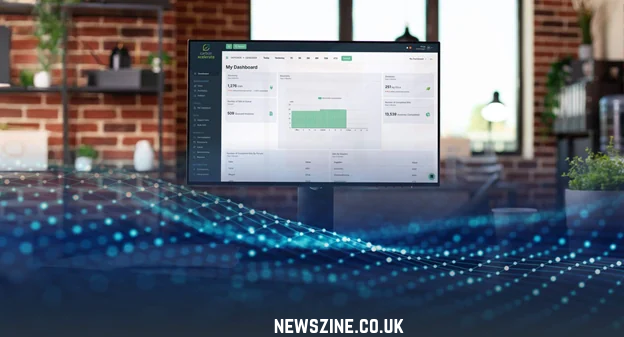
CarbonXcelerate platform enables integrated energy, carbon and cost management, facilitating businesses to keep track of their performance and link to operational information with strategic decisions.
Centralised reporting increases transparency and offers better information for energy planning to management teams.
Help with ESOS Phase 4 Compliance using professional assessments
Compliance with the ESOS Phase 4 requirements involves having a clear grasp of the requirements for qualification, evaluation of the relevant energy consumption, record-keeping, and obtaining approval.
Carbonxgen offers structured compliance support, assisting organisations in the effective management of these responsibilities.
The Energy Audit is a process that applies to every new project.The Energy Audit is carried out for all new projects.
Prof. energy audits look at the use of energy throughout buildings, industrial systems and transport.
These evaluations find opportunities related to equipment performance, operational schedules, machinery, lighting, and heating and ventilation.
Carbonxgen helps to coordinate Lead Assessors, prepare for audits, create audit methodologies and to formulate clear recommendations.
A compliant assessment also includes the proper monitoring of the assessment by an approved ESOS Lead Assessor, subject to the appropriate regulatory requirements.
Compliance Documentation and Reporting
Documentation is key to compliance success
Companies need to maintain an evidence pack with the records that are necessary to show compliance of their obligations.
Carbonxgen helps with governance setup, reporting, director sign off preparation, regulatory notification management.
Compliance notifications are made by organisations via the government’s Manage Your Energy Savings Opportunity Scheme Reporting service ‘MESOS’.
GOV.UK+1
Making Energy Compliance a Business Success
The purpose of Phase 4 of ESOS is to transcend the requirement for assessment and to begin to implement more effective energy management practices.
When organisations use the information gained from assessments strategically, they can enhance their financial outcomes, boost their operational resilience and enable long-term sustainability goals.
Lowering the Operating Energy Costs.
An energy audit can identify inefficient equipment, overuse and ways to improve operational practices.
Businesses can use Carbonxgen to analyze recommendations based on savings, cost of implementation, operational priorities, and financial returns.
This enables the decision makers to focus on changes that could benefit the business in a practical way rather than making changes without a viable business plan.
Improving Sustainability & Carbon Performance
Operational carbon emissions are directly related to energy consumption.
Minimising non-essential energy consumption can be a valuable contribution to corporate decarbonisation efforts, environmental goals and broader sustainability initiatives.
Carbonxgen links energy efficiency opportunities to other carbon management measures, and enables organisations to understand the contribution of energy efficiency to environmental performance.
Ensuring that ESOS is properly embedded in other energy management frameworks
The key to a successful compliance strategy is that it can be integrated into the current corporate reporting and sustainability efforts.
Assessing energy can be useful for an organisation to integrate with Streamlined Energy and Carbon Reporting (SECR), ISO 50001 energy management, and their internal net zero strategies.
How to create and develop an LTO.How to design and construct an LTO.
Valuable energy data is best used consistently, not just for compliance.
By tracking consumption patterns, businesses can keep improving in the long run by tracking how much they are saving and by reviewing any changes in operations.
Carbonxgen embraces this strategy with the help of validated information along with technical assessment and strategic recommendations.
This integration can minimize duplication of reporting and strengthen the information flow to the leadership teams.
It is crucial to prepare early.Early preparation is critical.
Companies that are planning for ESOS Phase 4 should start to consider the boundaries of their organisation, energy usage records, energy metering and energy assessment resources well in advance of the compliance date.
By preparing early, there will be enough time to identify missing information, coordinate site assessments, involve qualified professionals, and review improvement opportunities.
It also minimises the chances of rushed reporting and provides a more solid base for business energy management activities in the future.
Do you have any questions about compliance with the ESOS?
It is the fourth compliance cycle of the UK’s Energy Savings Opportunity Scheme. The assessment of energy consumption, the identification of energy efficiency, and the submission of the compliance notification by 5 December 2027 are the three aspects qualifying organisations have to consider.
1. Who is required to meet the ESOS requirements?
In general, the scheme is available to large UK undertakings and qualifying corporate groups. Eligibility is based on the defined employee, financial and organisational criteria at the time of the qualification.
2. Why is it important to have data quality in energy compliance?
Correct consumption data allows for correct energy assessments, solid calculations, audit and recommendations. Inaccurate records can complicate reporting and diminish decision-making capabilities.
3. Are ESOS assessments a cost saving exercise for businesses?
Yes. Assessments can help to determine inefficient systems and unnecessary energy use, as well as find areas for improvement. Applying appropriate recommendations can help lower utility costs and increase operational efficiency.
4. What can businesses do to enhance their energy performance in the long term?
By adopting dependable monitoring systems, carrying out regular performance checks, applying cost-effective efficiency strategies, and integrating energy goals with broader operational and sustainability plans, businesses can optimize their energy usage and boost their greenhouse gas emissions reduction.
Conclusion
Information, governance, professional assessments, and a drive for improvement are all essential for successful energy compliance. By tackling the issue of regulatory obligations strategically, organisations can acquire significant insights into operational efficiency and financial performance.
Improving the quality of data, enhancing any reporting systems and highlighting potential real energy savings can enable businesses to turn compliance activities into value for their business. A structured approach helps to build regulatory confidence and also establishes a base for reduced energy cost, enhanced sustainability, and better business performance.