Tracqueur: Meaning, Uses, Technology, and Role of Modern Tracking Systems
Tracqueur
The term Tracqueur is linked to the French word “traqueur,” which refers to a tracker or something used for following and monitoring. In modern usage, tracqueur describes a technology, device, or software system designed to collect information about movement, activities, locations, or digital behaviour.
The idea behind a tracqueur is based on observation and data collection. It allows users to follow changes, understand patterns, and make decisions using recorded details. While the original meaning is connected with tracking, the modern concept has expanded because technology now allows systems to monitor both physical movement and online activity.
A tracqueur can be found in many areas of daily life. GPS devices in vehicles, fitness watches, mobile applications, website monitoring tools, and business tracking systems all work on similar principles. They collect specific information and convert it into useful data.
The purpose of a tracqueur is not only to locate something but also to understand behaviour and improve performance. A company can use tracking technology to manage deliveries, a person can monitor fitness progress, and an online business can study how visitors interact with its platform.
What Does Tracqueur Mean?
A tracqueur is a system created to observe, record, and analyse activity. The type of information collected depends on where and how the technology is used.
In physical tracking, a tracqueur may record the location of a vehicle, object, or person. It can provide details such as movement history, travel distance, speed, and direction.
In the digital environment, a tracqueur focuses on online actions. It may monitor how users interact with websites, applications, or digital services.
The main purpose remains the same in both cases: collecting information and presenting it in a useful way.
A tracqueur works as a connection between activity and understanding. Instead of simply showing what happened, advanced tracking systems help explain patterns and improve future decisions.
How Tracqueur Technology Works
Although tracqueurs may appear simple from a user perspective, their operation involves different technologies working together.
The first step is data collection. Sensors, GPS systems, software codes, or connected devices gather information based on their purpose.
For example, a vehicle tracqueur uses location technology to identify where a vehicle is travelling. A wearable device collects body-related activity data. A website tracking system records online interactions.
After collecting information, the data is transferred through communication systems. Mobile networks, Wi-Fi connections, and internet services allow information to reach a central platform.
The final stage involves processing and analysing the collected data. Software systems organise the information into reports, maps, charts, or notifications that users can understand easily.
This process allows tracqueurs to provide more than simple records. They help identify trends, improve efficiency, and support better decisions.
Different Types of Tracqueur Systems
Tracqueurs exist in various forms because different industries require different types of monitoring.
GPS Tracqueur for Location Monitoring
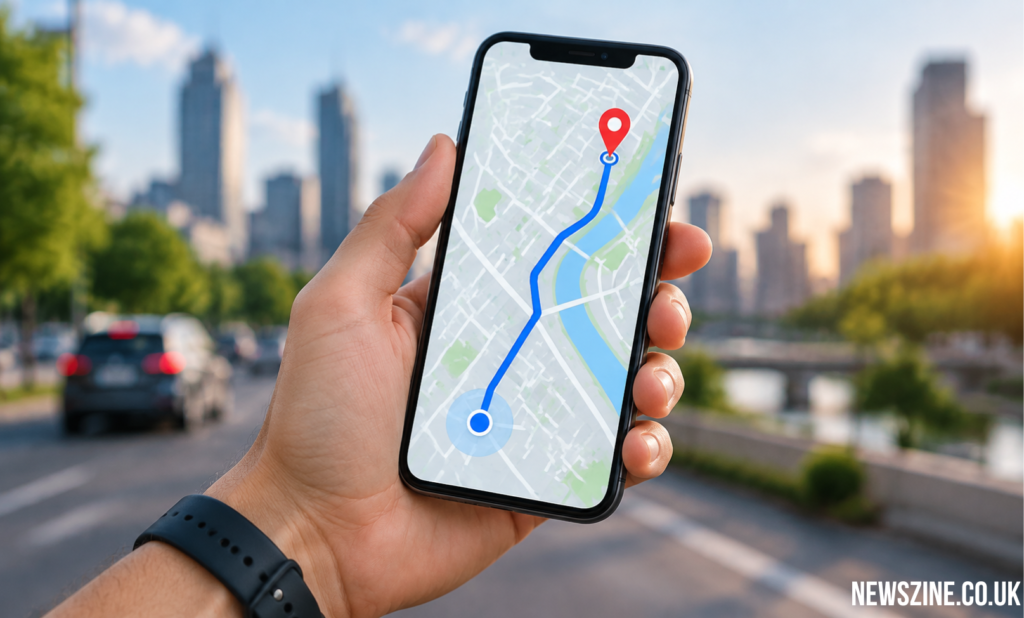
GPS tracqueurs are one of the most common examples of tracking technology. These systems use satellite signals to identify exact locations and provide movement updates.
They are widely used in:
- Cars and motorcycles
- Transport companies
- Delivery services
- Personal safety devices
- Logistics operations
Businesses often depend on GPS tracqueurs to manage their vehicle networks. They can monitor routes, reduce unnecessary travel, and improve delivery planning.
For individuals, GPS tracking can provide additional security. Vehicle owners may use these devices to locate their cars, while travellers may use location-sharing tools for safety.
The main advantage of GPS tracqueurs is their ability to provide real-time location information.
Wearable Tracqueur Devices
Wearable technology has brought tracqueurs closer to personal daily life. Smartwatches and fitness bands are examples of devices that continuously collect information about personal activities.
These devices can monitor:
- Steps and movement
- Exercise levels
- Sleep patterns
- Heart activity
- Daily routines
Wearable tracqueurs help users understand their habits and maintain awareness of their health and fitness goals.
Healthcare has also benefited from similar monitoring systems. Doctors and healthcare providers can use collected data to observe patient conditions and track important changes over time.
These systems are especially useful when continuous monitoring is needed outside traditional medical environments.
Digital Tracqueurs
A digital tracqueur works differently from a physical tracking device. Instead of monitoring location, it studies online behaviour.
Websites and applications use digital tracking systems to understand user activity.
They can collect details about:
- Pages visited
- User interactions
- Time spent on platforms
- Content preferences
- Online navigation patterns
Businesses use this information to improve their websites and services. By understanding how users behave online, companies can identify problems and create better experiences.
For example, digital tracking can show which parts of a website attract attention and which areas need improvement.
However, digital tracqueurs also create concerns because online activity can reveal detailed information about users.
Industrial and Security Tracqueurs
Many organisations use tracqueurs to protect assets and improve operational control.
Factories, warehouses, and large businesses may use tracking systems to monitor important equipment and resources.
Security-based tracqueurs can help with:
- Asset protection
- Equipment monitoring
- Warehouse management
- Restricted-area supervision
These systems allow organisations to maintain better control over valuable resources and respond quickly when unusual activity occurs.
Importance of Tracqueur in Transportation
Transportation is one of the biggest areas where tracqueur technology has become valuable.
Companies that manage vehicles need accurate information to improve their operations. A tracking system helps them understand where vehicles are located and how efficiently they are being used.
Businesses can use tracqueur data to:
- Plan better routes
- Reduce fuel waste
- Improve delivery schedules
- Monitor vehicle performance
For logistics companies, tracking technology improves communication and allows customers to receive better updates about shipments.
Benefits of Tracqueur Technology
Tracqueurs provide several advantages when used correctly.
Improved Security
Tracking systems help protect vehicles, equipment, and valuable items by providing location information.
Better Efficiency
Businesses can reduce unnecessary costs by analysing movement and activity patterns.
Accurate Data
Tracqueurs provide real information that helps people and organisations make better decisions.
Personal Improvement
Fitness and health tracking devices allow individuals to understand their routines and make positive changes.
Better Digital Services
Online tracking helps businesses improve websites and applications according to user behaviour.
Privacy Issues Related to Tracqueur
Although tracqueurs provide many benefits, privacy remains an important concern.
Some users may not fully understand what information is being collected or how it is being used.
Common concerns include:
- Data collection without clear awareness
- Unwanted monitoring
- Information sharing with other organisations
- Security risks
Digital tracqueurs have received particular attention because they can create detailed records of online behaviour.
Responsible use requires transparency, strong security, and respect for user choices.
Limitations of Tracqueur Systems
Like all technologies, tracqueurs have certain weaknesses.
Some limitations include:
- Battery problems in portable devices
- Signal issues in remote areas
- Technical errors
- Risk of hacking
- Incorrect interpretation of collected data
A tracqueur provides information, but the data still requires human understanding. A system can show patterns, but it cannot always explain the reasons behind those patterns.
Future of Tracqueur Technology
Tracking technology continues to develop as new innovations appear. Future tracqueurs are expected to become more accurate, efficient, and secure.
Advancements in artificial intelligence and data analysis may allow tracking systems to understand information more effectively and provide better results.
At the same time, privacy protection will remain a major focus. The challenge will be creating systems that provide useful tracking abilities while respecting personal data rights.
Conclusion
Tracqueur technology represents the modern development of tracking systems connected with the French word “traqueur.” From location monitoring and wearable devices to digital platforms and business solutions, tracqueurs help collect valuable information and improve decision-making.
Their role extends across transportation, healthcare, security, and online services. They provide benefits such as improved efficiency, better safety, and greater awareness.
However, responsible use is essential. Tracking systems should provide value without creating unnecessary privacy risks.
As technology continues to improve, tracqueurs will remain an important part of systems designed to understand movement, behaviour, and changing patterns.