
Pravi Celer: Understanding the Traditional Celery Variety, Uses, Nutrition and Health Benefits
Pravi Celer
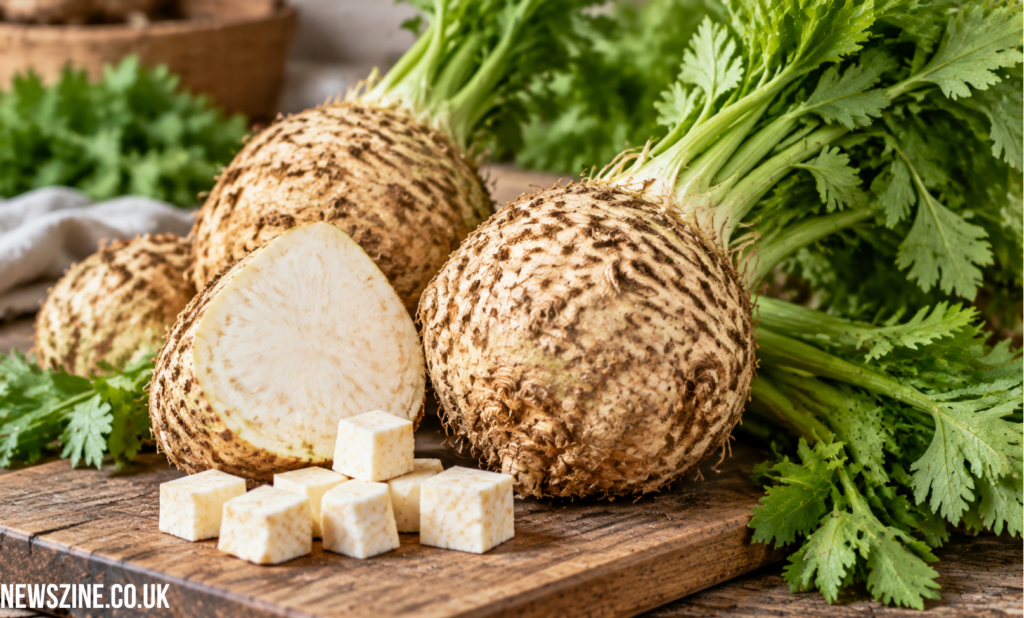
Pravi celer is a traditional form of celery that has been valued in European kitchens and folk practices for generations. The name translates to “true celery,” referring to a type of celery that represents the complete plant rather than only the familiar green stalks commonly sold in many supermarkets. It includes the leafy stalks as well as the large underground root, known as celeriac.
While many people associate celery with a light vegetable used in salads, smoothies, or snacks, pravi celer has a much wider role in traditional cooking. In parts of Eastern Europe and the Balkans, it has long been considered an important kitchen ingredient because every part of the plant can be used. The stalk adds freshness and aroma, while the root provides a deeper flavour that works well in soups, stews, and traditional meals.
Beyond cooking, pravi celer has also been connected with natural health practices. Communities that have used this vegetable for centuries have valued it for its nutrients, digestive qualities, and plant-based compounds. Modern interest in celery-based diets and fresh vegetable juices has brought renewed attention to this traditional variety.
What Is Pravi Celer?
Pravi celer refers to a more traditional understanding of celery where the whole plant is appreciated. Unlike the common celery variety that is mainly grown for its crisp stalks, pravi celer places equal importance on the root portion. The root develops beneath the soil and has a rough outer appearance, but inside it contains a creamy texture and a strong, earthy taste.
The plant belongs to the Apiaceae family, which also includes carrots, parsley, and fennel. Its close relationship with these vegetables explains why celery carries a distinctive aroma and contains various plant compounds that contribute to its flavour.
In traditional European farming, celery was often grown as a practical crop because it provided multiple uses. The leaves could be used as seasoning, the stalks could be added to meals, and the root could be stored for later consumption during colder months.
The popularity of pravi celer comes from this complete approach. Instead of treating one part of the plant as the main product, traditional communities used the entire vegetable.
The History Behind Pravi Celer
Celery has a long relationship with human civilisation. Historical evidence shows that celery-related plants were used thousands of years ago by ancient societies. Early cultures did not always grow celery in the same form seen today, but they recognised its strong smell, flavour, and possible health value.
Ancient Egyptians used celery seeds and related plants in different ways, including traditional preparations. The Greeks and Romans also valued celery, sometimes connecting it with medicinal practices and ceremonial traditions.
Over time, selective farming changed celery varieties. Some types were developed mainly for larger stalks, while others focused on producing a bigger edible root. The root-focused varieties became especially important in European regions where seasonal cooking depended on vegetables that could be stored through winter.
In Slavic and Balkan households, celeriac became a common ingredient in everyday cooking. Families used it in soups, sauces, broths, and preserved dishes. This practical use helped maintain the tradition of pravi celer across generations.
Why Pravi Celer Is Different From Regular Celery
The biggest difference between pravi celer and common celery is the way the plant is used. Regular celery is usually recognised by its long, green stalks. Many people remove the leaves and ignore the root because it is not commonly available in some markets.
Pravi celer takes a different approach by valuing the complete vegetable. The stalk provides a fresh, slightly sharp flavour, while the root offers a nutty and earthy taste. This combination makes it useful in a wider range of recipes.
Another difference is cultural importance. In many European regions, pravi celer is not just considered another vegetable. It represents traditional food knowledge where seasonal crops were used fully without unnecessary waste.
The root can remain stored for months, making it valuable in areas with colder climates. Before modern refrigeration, vegetables like celeriac helped families maintain a varied diet during winter.
Nutritional Profile of Pravi Celer
Pravi celer provides a combination of vitamins, minerals, fibre, water, and plant-based compounds. Both the stalk and root contribute different nutritional benefits.
The stalk contains a high amount of water and dietary fibre while remaining low in calories. This makes it a suitable addition to meals for people who want foods that support fullness and balanced eating habits.
The root portion contains more carbohydrates than the stalk because it stores energy underground. It also provides minerals such as potassium and contains important nutrients that support normal body functions.
Some key nutrients found in pravi celer include:
- Vitamin K: Important for normal blood clotting and bone maintenance.
- Vitamin C: Supports immune function and helps protect cells from oxidative stress.
- Potassium: Helps maintain fluid balance and supports normal heart function.
- Dietary fibre: Supports digestion and healthy bowel movement.
- Plant antioxidants: Help protect cells from damage caused by free radicals.
The nutritional value of pravi celer makes it useful as part of a balanced diet rather than as a replacement for medical treatment.
Pravi Celer and Digestive Health
One of the main reasons pravi celer has remained popular in traditional diets is its connection with digestive health. The vegetable contains fibre, which plays an important role in maintaining regular digestion.
Fibre adds bulk to food as it moves through the digestive system. This can support normal bowel movements and may help people maintain a healthier digestive routine.
The high water content in celery stalks also contributes to hydration. Proper hydration and fibre intake work together to support the digestive process.
Traditional communities often prepared celery-based soups and drinks when dealing with digestive discomfort. Although these practices come from cultural experience, a healthy digestive system also depends on overall diet, physical activity, and lifestyle choices.
Traditional Uses of Pravi Celer
For generations, pravi celer has appeared in traditional home remedies. Different cultures used celery preparations for various purposes, including supporting digestion, reducing discomfort caused by inflammation, and improving general wellbeing.
Celery juice became particularly popular among people interested in natural approaches to health. Some consume it as part of their daily routine because they believe fresh vegetable juices help them maintain energy and hydration.
However, it is important to understand that vegetables support health as part of an overall balanced lifestyle. Pravi celer contains valuable nutrients, but it should not be considered a cure for diseases.
Anti-Inflammatory Properties of Pravi Celer
Pravi celer contains natural plant compounds that have attracted attention because of their antioxidant and anti-inflammatory activity. Vegetables with these compounds can support the body’s natural defence system by helping reduce oxidative stress.
Oxidative stress occurs when unstable molecules called free radicals build up in the body and affect cells. A diet rich in vegetables, including celery varieties, provides antioxidants that help protect cells from this process.
The flavonoids and other plant compounds found in celery contribute to its nutritional value. These substances are studied for their role in supporting normal inflammatory responses in the body.
Many traditional users have connected celery consumption with relief from joint discomfort and general body inflammation. While research continues to examine these effects, including vegetables like pravi celer in a varied diet can contribute to better overall nutrition.
Pravi Celer and Heart Health
Maintaining heart health depends on many factors, including regular movement, balanced food choices, and healthy lifestyle habits. Pravi celer can be part of a heart-friendly diet because it provides potassium, fibre, and other nutrients.
Potassium is an important mineral that helps regulate fluid balance in the body and supports normal muscle function, including the heart muscle. Foods that contain potassium are often included in eating patterns designed to support healthy blood pressure.
The fibre content of celery root and stalks may also contribute to better dietary balance. Fibre-rich foods are associated with improved digestive function and can help people maintain healthier eating habits.
Pravi celer does not replace prescribed treatments or medical advice, but its nutritional profile makes it a useful addition to meals focused on long-term wellness.
Supporting Skin Health With Pravi Celer
The connection between diet and skin health has increased interest in vegetables that contain antioxidants and water content. Pravi celer contains nutrients that can support healthy skin when included in a balanced eating pattern.
Vitamin C found in celery contributes to collagen production, which is important for maintaining skin structure. Antioxidants also help protect cells from environmental stress.
Some people use celery juice as part of natural skincare routines, although applying food products directly to the skin may not work the same way for everyone. Skin conditions can have different causes, and professional advice may be needed for ongoing problems.
Eating nutrient-rich vegetables remains one of the simplest ways to support healthy skin from within.
How Pravi Celer Is Used in Cooking
One reason pravi celer has remained popular is its flexibility in the kitchen. Different parts of the plant provide different flavours and textures.
The stalk has a fresh and slightly crunchy texture, making it suitable for salads, vegetable dishes, and cooking bases. The leaves contain strong aroma and can be used like herbs to add flavour.
The root has a completely different character. After peeling, it can be cooked, roasted, mashed, or added to soups. Its earthy taste makes it a good replacement for potatoes or other root vegetables in some recipes.
Traditional European cooking often uses celery root as a foundation ingredient. It is commonly combined with onions, carrots, and herbs to create flavourful broths and sauces.
Popular Ways to Add Pravi Celer to Meals
Celery Root Soup
Celery root soup is one of the most common ways to enjoy pravi celer. The root creates a creamy texture when cooked and blended. It can be combined with onions, carrots, garlic, and herbs for a simple nutritious meal.
The natural flavour of the root allows cooks to create a satisfying dish without needing many additional ingredients.
Fresh Celery Juice
Fresh celery juice has gained popularity among people interested in vegetable-based drinks. It is usually prepared by blending or pressing fresh celery stalks.
Many people drink celery juice because they enjoy its fresh taste and hydration benefits. However, it should be viewed as one part of a healthy diet rather than a special solution for health conditions.
Roasted Celery Root
Roasting brings out the natural sweetness of celery root. Small pieces can be seasoned with herbs, olive oil, and spices before cooking.
This preparation creates a dish with a firm texture and deeper flavour compared with raw celery.
Celery Root Salad
Raw or lightly cooked celery root can be used in salads. When shredded into thin pieces and mixed with lemon juice, herbs, or a light dressing, it creates a refreshing side dish.
Growing Pravi Celer at Home
Celery varieties require patience because they grow slowly compared with many common vegetables. Gardeners usually choose fertile soil with good moisture retention.
The plant grows best in conditions where it receives enough water and moderate sunlight. The root develops below the soil and needs enough space to expand.
Growing pravi celer can be rewarding because both the underground root and above-ground parts can be harvested and used.
Many traditional gardeners continue growing celery because it connects modern households with older farming practices.
Cultural Importance of Pravi Celer
Food traditions often preserve knowledge about plants, farming, and preparation methods. Pravi celer represents this connection between agriculture and everyday life.
In many Balkan and Slavic households, celery root remains a familiar ingredient passed through family recipes. It appears in holiday dishes, winter meals, and traditional soups.
The vegetable shows how older communities used available crops efficiently. Instead of depending on a single part of a plant, they created cooking methods that used everything.
This approach also matches modern interest in reducing food waste and making better use of natural resources.
Modern Interest in Pravi Celer
Interest in traditional vegetables has grown as more people explore natural foods and local ingredients. Pravi celer has gained attention because it represents a complete plant-based food with culinary and nutritional value.
Health-focused communities often discuss celery juice, vegetable diets, and traditional ingredients. This has introduced celery varieties to people who may not have previously known about celery root.
Restaurants and home cooks are also rediscovering older vegetables because they offer different flavours and textures compared with commonly used ingredients.
Things to Consider Before Adding Pravi Celer to Your Diet
Although pravi celer is generally considered a healthy vegetable, some people may need to take care with celery consumption.
People with celery allergies should avoid it because reactions can occur. Those following specific medical diets should also consider their individual nutritional requirements.
Eating a variety of vegetables is usually the best approach. No single food provides every nutrient the body needs.
Pravi celer works best when included alongside other vegetables, fruits, protein sources, and whole foods.
Conclusion
Pravi celer represents more than a simple vegetable. It reflects a long tradition of using plants completely, from the fresh stalks above the ground to the flavourful root beneath it.
Its place in European cooking shows how food traditions can preserve practical knowledge about nutrition and preparation. The vegetable provides fibre, vitamins, minerals, and plant compounds that make it a valuable part of a balanced diet.
Whether used in soups, salads, juices, or traditional recipes, pravi celer continues to connect modern kitchens with older agricultural practices. Its growing popularity shows that many traditional foods still have an important role in contemporary eating habits.