Tom Swarbrick: The Broadcaster Who Moved Between Journalism and Downing Street
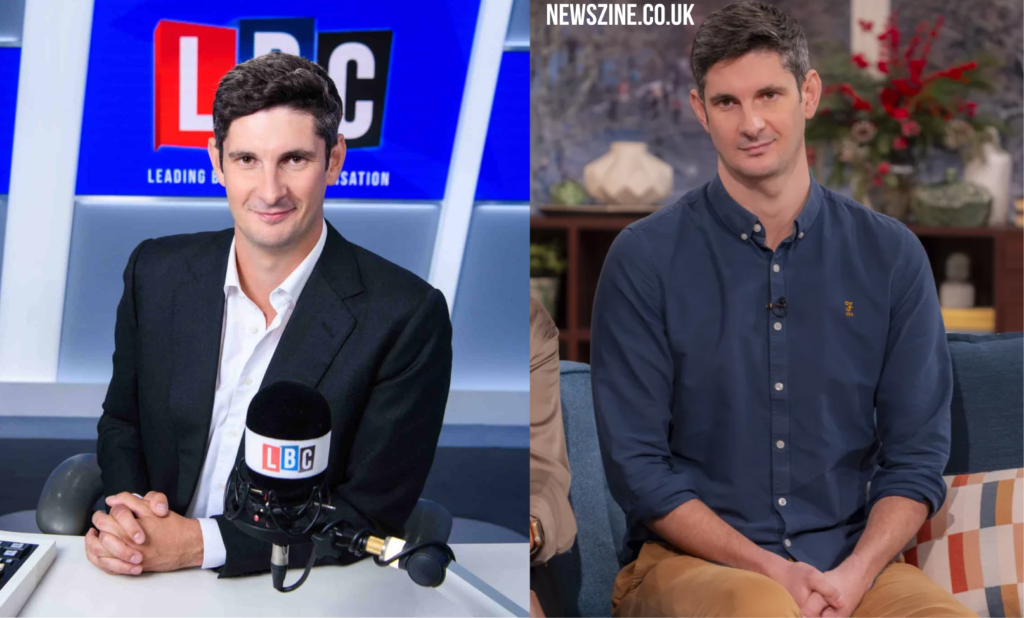
Tom Swarbrick
Tom Swarbrick is a British radio presenter and journalist whose professional life has taken him through two very different sides of political communication. Listeners mainly know him through LBC, where he has reported on major stories, interviewed politicians and hosted programmes built around news and public discussion. Away from the studio, however, he also spent nearly two years working at Downing Street during Theresa May’s premiership.
Born on 30 March 1987, Swarbrick did not begin his career as a political adviser. His first years were spent learning radio from the newsroom level, including production and reporting. That background eventually led to national broadcasting, followed by his move into government communications and later a return to LBC. His experience in both broadcasting and government communications gives his professional journey an uncommon shape.
Growing Up in Oxfordshire and Studying at Cambridge
Swarbrick spent his younger years in Oxfordshire and attended Abingdon School. Education was already an important part of his family environment, as his father, Andrew Swarbrick, served as Head of English at the school. After finishing his school education, Tom secured a place at the University of Cambridge.
Rather than choosing journalism or politics as his degree subject, he read theology and graduated in 2008. His later career therefore developed in a field different from his university specialism. Within a relatively short period after completing his studies, he had entered broadcasting and started gaining the practical experience that would shape his professional direction.
Learning Radio at the BBC
The BBC provided Swarbrick with his first significant step into professional broadcasting. He joined in 2009 and worked in local radio, taking on responsibilities connected with both programme production and presenting. It was an environment where he could learn how stories were prepared before they reached listeners rather than entering the industry immediately as a high-profile host.
His early BBC work also brought professional recognition, including a Sony Radio Academy Award nomination. More importantly for his later career, these years gave him experience of working to deadlines, researching subjects and communicating information clearly on air. By the time he left for his next opportunity, he had already developed experience behind the microphone as well as behind the scenes.
Building His Name at LBC
Swarbrick arrived at LBC in June 2012 and initially worked as a journalist. His role grew as he covered news and became increasingly involved in the station’s reporting operation. By 2015, he had reached the position of Chief Correspondent, giving him responsibility for covering important stories for a national audience.
This stage of his career also established his credentials beyond routine news coverage. His documentary reporting on people trafficking in London earned him the National Radio Journalist of the Year title at the 2014 Radio Academy Awards. The recognition came before he became widely identified as a talk-show presenter and reflected the reporting side of his professional background.
From Correspondent to Radio Host
Reporting was only one part of Swarbrick’s development at LBC. The station gradually gave him greater presenting responsibilities, including his own weekend afternoon programme. Hosting required him to shift from delivering prepared reports to controlling extended live conversations involving guests, callers and changing news stories.
The move suited the direction his career was taking. A presenter on a phone-in station cannot rely entirely on prepared material because callers can introduce unexpected arguments and guests may avoid the question being asked. Swarbrick’s earlier newsroom experience gave him a foundation for dealing with these situations while allowing him to develop his own approach to longer interviews.
Why Tom Swarbrick Left Radio for Downing Street
In 2016, Swarbrick temporarily stepped away from broadcasting. He left LBC in August and joined the senior communications operation at Downing Street, where he became Head of Broadcast. It was a substantial change in responsibility. Instead of reporting on government decisions, he was now working within the organisation responsible for communicating them.
The period was particularly demanding for the British government. Theresa May had become prime minister following the EU referendum, and the country’s future relationship with Europe dominated political discussion. Swarbrick’s job placed him inside Downing Street’s broadcast operation as ministers faced constant questioning about Brexit and other major national issues.
Inside Government During a Difficult Political Period
Several major developments occurred while Swarbrick was working in Downing Street. Donald Trump’s election changed the political leadership of the United States, while the British government formally triggered Article 50 and began the process of negotiating its withdrawal from the European Union. Theresa May also called the 2017 general election, creating another period of intense media attention.
For Swarbrick, these events meant experiencing political journalism from a position very different from his previous one. He could see how government announcements were prepared and how political figures dealt with broadcasters during difficult news cycles. He eventually left Downing Street in March 2018, ending this chapter of his career after less than two years.
Returning to LBC After Government
Rather than remaining in political communications, Swarbrick returned to broadcasting soon after leaving Downing Street. He rejoined LBC in 2018 and initially presented the weekend breakfast programme. His comeback naturally carried an unusual dimension because he was returning to political journalism after having recently worked for the prime minister.
His responsibilities soon increased again. Later in 2018, he moved into LBC’s weekday late-night schedule, broadcasting between 10 p.m. and 1 a.m. He also fronted Swarbrick on Sunday. These programmes returned him firmly to live radio, where interviews and listener conversations once again became a regular part of his work.
Controversy Following His Return
Swarbrick’s previous government connections also brought scrutiny. In 2018, BuzzFeed published claims concerning attempts to arrange an interview with a Cabinet minister. The report alleged that questions had been offered in advance and that reassurances were made about the nature of the interview. The episode prompted questions about how interviews with political figures are secured and prepared.
His interview with former boss Theresa May after his return to LBC also received attention because of their previous professional connection. Swarbrick’s period in Downing Street has therefore remained relevant to public discussion of his career even though he left government employment in 2018.
An Unexpected Protest During a Live Interview
One of the more unusual episodes from Swarbrick’s time on air happened in April 2022. Just Stop Oil activist Nathan McGovern was appearing for an interview when he glued his hand to a studio microphone. McGovern used the protest to criticise what he believed was insufficient coverage of the climate crisis.
The incident quickly changed an ordinary interview into an unpredictable live-radio situation. Such moments demonstrate the difference between recorded journalism and live broadcasting, where a presenter has little opportunity to prepare once something unexpected happens. The event became one of the more widely reported moments associated with Swarbrick’s programme.
Moving Into the LBC Drivetime Programme
Another major career step came in September 2022. Eddie Mair retired after a long broadcasting career, leaving LBC’s weekday drivetime position open. Swarbrick moved into the 4 p.m. to 6 p.m. programme, taking responsibility for a slot closely tied to the day’s developing news.
Drivetime places the presenter on air when many listeners are finishing work and catching up with events. Political announcements, breaking stories and interviews can all form part of the same programme. Swarbrick’s previous experience as a reporter, presenter and government communications adviser provides several different perspectives that he can draw upon when handling this type of news-led broadcasting.
Work Outside His Regular Radio Programme
Although LBC has been the main home of Swarbrick’s career, radio is not the only medium in which he has worked. He has appeared on television outlets and programmes including Sky News, CNN, Good Morning Britain and This Morning. These appearances have generally involved current affairs and subjects connected with his broadcasting experience.
Television requires a different rhythm from talk radio, particularly when contributors have only a limited amount of time to discuss a subject. His work across both formats reflects a career that began with local radio production but gradually expanded into national political broadcasting and television commentary.
Tom Swarbrick’s Family and Life Away From Work
Swarbrick does not make his private life the main focus of his public profile. He is married and has children, while reports have placed his family home in Tonbridge, Kent. Compared with the amount of information available about his broadcasting career, relatively little of his family life is regularly discussed publicly.
Football is one personal interest that is known. He supports Preston North End. Outside occasional details such as this, Swarbrick is primarily recognised through his professional work rather than through celebrity-style coverage of his personal life.
Conclusion
Tom Swarbrick’s career has developed through several distinct stages rather than one uninterrupted route through radio. He learned broadcasting at the BBC, established himself as a journalist at LBC, moved into presenting and then temporarily left journalism to work inside Downing Street. After leaving government, he chose to return to radio instead of continuing as a political communications adviser.
His subsequent move through weekend, late-night and drivetime broadcasting has made LBC the central platform of his public career. The unusual element of his professional history remains the time he spent on both sides of the political media relationship. He has worked as the journalist asking questions and as part of the government operation responding to them, giving his broadcasting career a background that differs from the more conventional path followed by many radio presenters.