
Thealite Keep Safe: Meaning, Security, Benefits, Attention, and Alternatives
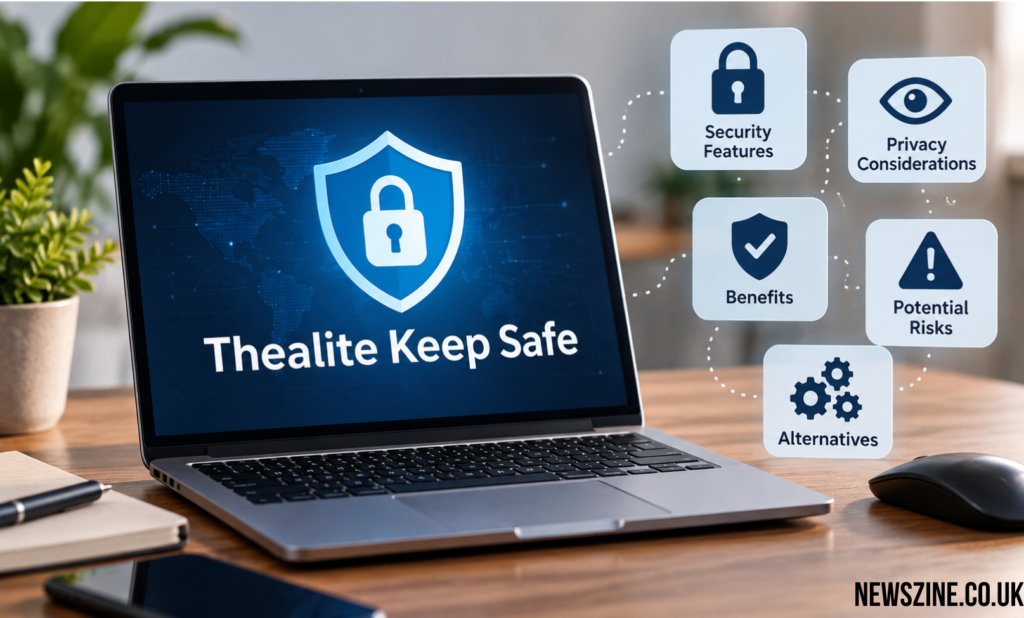
Thealite Keep Safe
The term thealite keep safe has become a point of curiosity for people who encounter the phrase online and want to understand what sits behind it. At first glance, the words suggest something connected with safety, protection, or digital security. However, a name by itself does not establish the purpose of a service. Understanding the term requires looking at its context, how it is presented, and what information is available about the website or platform associated with it.
1. Why the Name Creates Curiosity
The phrase immediately raises questions because “keep safe” is commonly associated with protection. Someone seeing the name for the first time might think about password security, file protection, online privacy, or safe browsing. These are reasonable associations, but they should not be confused with confirmed features.
2. Why Users Search for Information
People frequently search unfamiliar website or service names after seeing them in search results, links, advertisements, browser activity, or online discussions. Their goal is often simple: they want to know what the name represents before visiting, registering, downloading something, or sharing personal information.
3. Why Clear Information Matters
Clear information becomes especially important when safety or security is part of a platform’s presentation. Users need to know who operates a service, what it actually provides, and what information it requires. Without those details, making a confident judgment about an unfamiliar platform becomes difficult.
What Is Thealite Keep Safe?
Thealite keep safe can be understood first as an online term or name that requires context before a specific function can be assigned to it. It should not automatically be described as antivirus software, a password manager, a file-storage system, or another cybersecurity product without reliable information supporting that description. The exact website, page, application, or service connected with the phrase is what determines what it actually represents.
1. Understanding the Basic Identity
The first step is identifying where the term appears. A name shown on a website may represent the site itself, a section within it, a particular feature, or simply branding. Looking at the exact domain and surrounding content provides a much clearer picture than interpreting the name alone.
2. Looking Beyond the Name
Names containing words such as “safe,” “secure,” or “protect” can create an impression of security. Those words are not technical guarantees. A genuine security service should explain what it protects, how its technology works, and what responsibilities remain with the user.
3. Identifying Its Actual Purpose
Users should examine the About page, homepage, terms, privacy documentation, and support information to understand the platform’s purpose. If these pages provide consistent explanations, it becomes easier to identify the service. If information remains vague, users should avoid inventing an explanation based solely on the brand name.
What Does Thealite Keep Safe Mean?
The meaning of thealite keep safe depends heavily on the context in which the phrase appears. In ordinary language, “keep safe” suggests protecting something from harm or unwanted access. Online, that concept can cover many areas, from protecting passwords to preserving files. Therefore, the phrase should be interpreted carefully rather than treated as the name of one particular type of technology.
1. Safety as a General Concept
Digital safety includes protecting accounts, personal information, devices, and files. It also involves avoiding scams, suspicious downloads, and attempts to steal login credentials. A platform connected with safety could theoretically address any of these areas, which is why its specific purpose needs to be established separately.
2. Security and Privacy Are Different
Security generally focuses on preventing unauthorized access or harmful activity. Privacy concerns how personal information is collected, stored, shared, and used. A service can have good technical security while still collecting substantial user data, so both areas deserve separate attention.
3. Meaning Depends on Context
The page where someone encounters the phrase can reveal more than the wording itself. If it appears alongside account tools, downloads, privacy information, or educational content, that surrounding material may explain its intended meaning. Context should always take priority over assumptions.
Why Is Thealite Keep Safe Gaining Attention?
Unfamiliar online names can receive attention surprisingly quickly. People may discover them through search engines, shared links, advertisements, recommendations, or website referrals. Once users begin searching for explanations, the phrase can become more visible even when relatively little public information exists about it.
1. Curiosity Around an Unfamiliar Name
Curiosity is one of the simplest reasons behind search interest. A person who recognizes a major security brand already knows roughly what to expect. An unfamiliar term produces questions, encouraging users to search for explanations before interacting with it.
2. Questions About Online Safety
Security-related wording naturally encourages people to investigate further. Users may want to know whether a platform is legitimate, whether visiting it is safe, and whether they should provide personal information. These questions can increase searches without necessarily indicating either a positive or negative reputation.
3. Search Interest Does Not Equal Popularity
A rise in searches should not automatically be described as widespread adoption. People might be searching because they are confused rather than because they use the service. Reliable traffic statistics or trend data would be necessary before making specific claims about how popular a platform has become.
How Does Thealite Keep Safe Relate to Online Security?
If thealite keep safe is encountered in a security-related context, users should evaluate it using the same standards applied to other unfamiliar online services. Security should be demonstrated through understandable practices and features rather than through branding alone.
1. Account Protection
If the service requires an account, users should examine how logins are protected. Features such as multi-factor authentication, secure password handling, recovery procedures, and login alerts can strengthen account security. The absence of information about account protection may leave important questions unanswered.
2. Data Protection
A platform handling user information should explain how that information is protected. Sensitive information deserves stronger safeguards than ordinary website analytics. People should know which details a platform retains and the specific reason it requires them.
3. Secure Communication
HTTPS encryption is now standard for legitimate websites and helps protect information while it moves between a browser and server. However, HTTPS alone does not prove that the organization receiving the information is trustworthy. This measure should be considered alongside several other checks when evaluating overall security.
Privacy Considerations for Thealite Keep Safe
Privacy deserves attention whenever a website collects user information. Even services that do not handle passwords or financial data may collect email addresses, device details, browsing information, or analytics data.
1. Information Collection
Before proceeding, people should identify exactly what types of data the service gathers from them. Some data may be necessary for account creation or basic website operation. Other information may be gathered for analytics, advertising, personalization, or additional business purposes.
2. Data Sharing Practices
A privacy policy should explain whether information can be shared with service providers or other organizations. Users should look beyond general statements and determine whether the platform provides understandable details about how outside parties may receive data.
3. Data Retention and Deletion
Another important question is how long personal information remains stored. A transparent service should provide information about retention and, where applicable, account or data deletion. Users should know what happens to their information after they stop using a platform.
What Security Features Should Users Look For?
A security-focused platform should offer more than reassuring language. Users can look for practical measures that reduce identifiable risks. Different services require different protections, but several security principles apply broadly.
1. Strong Authentication
Multi-factor authentication adds an additional verification step beyond a password. This can make unauthorized access harder even when login credentials are exposed. Users should also create unique passwords rather than reuse credentials from other websites.
2. Clear Security Documentation
Reliable services generally explain their security practices in understandable terms. Documentation does not need to reveal sensitive technical details, but users should be able to learn how accounts and information are protected.
3. Security Updates and Support
Digital threats change over time, making updates an important part of software security. If a service includes an application or browser extension, users should consider whether it receives regular maintenance and whether a legitimate support channel exists for reporting problems.
What Are the Possible Benefits of Thealite Keep Safe?
The benefits of thealite keep safe cannot be stated as confirmed product features unless the exact service and its capabilities are established. However, users investigating a safety-oriented service can consider the types of benefits that a properly designed security platform may provide.
1. Greater Awareness of Digital Safety
Security information can help people recognize common online risks. Learning to identify suspicious links, unusual login requests, and unsafe downloads can reduce exposure to basic scams and attacks.
2. Better Control Over Personal Information
Privacy or security tools may help users understand where information is stored and who can access it. When a platform offers meaningful privacy controls, people can make more deliberate decisions about the information they share.
3. Improved Security Habits
A useful security service may encourage practices such as unique passwords, multi-factor authentication, software updates, and regular backups. These habits remain valuable even when individual security products change.
What Risks Should Users Consider?
Any unfamiliar digital service deserves reasonable caution, particularly if it requests sensitive information or software installation. Risk does not mean a platform is automatically harmful. It means users should understand what they are agreeing to before proceeding.
1. Sharing Too Much Personal Information
A service should collect information that is reasonably connected with its function. Requests for unrelated identity information, passwords, financial credentials, or verification codes should prompt users to investigate why those details are necessary.
2. Downloading Unknown Software
Software downloads can carry greater risk than simply reading a webpage because installed programs may receive access to the device. Users should confirm the publisher and purpose of an application before installation.
3. Reusing Existing Passwords
Creating an account with a password already used elsewhere increases risk. If one service experiences a breach, reused credentials may expose additional accounts. A unique password limits that possibility.
How Can Users Check Whether Thealite Keep Safe Is Safe?
Determining whether an unfamiliar service is trustworthy requires several checks rather than a single test. Users should gather enough information to understand who operates the service and how it behaves.
1. Examine the Website Carefully
Check the exact domain, About page, privacy policy, terms, and contact information. Look for consistent explanations of what the platform provides. Major contradictions or missing basic information deserve additional attention.
2. Look for Independent Information
Information published by the service itself is only one source. Independent reporting, technical discussions, user experiences, and security research may provide additional context. Users should compare multiple sources rather than relying on a single testimonial.
3. Check Before Providing Sensitive Details
Visitors do not need to provide personal information immediately simply to investigate a service. Understanding the platform first allows users to decide whether creating an account, downloading software, or making a payment is appropriate.
What Are the Alternatives to Thealite Keep Safe?
There is no universal alternative because users may have different reasons for searching the term. Someone looking for password protection needs a different solution from someone who wants malware detection, private storage, or secure backups.
1. Password and Account Security Alternatives
People focused on account protection can use established password managers and multi-factor authentication methods. These solutions are specifically designed to strengthen login security and reduce dependence on reused passwords.
2. File and Data Protection Alternatives
Cloud backups, encrypted storage, and local backup drives can help protect important files. Maintaining more than one copy of important data reduces dependence on a single device or storage provider.
3. Device Security Alternatives
Modern operating systems include built-in security features, while reputable third-party security products can provide additional capabilities. Regular updates, careful downloads, and sensible browser habits remain important regardless of the software chosen.
What Should You Do If You Already Used Thealite Keep Safe?
Using an unfamiliar website does not automatically mean something has gone wrong. The appropriate response depends on what the user actually did and what information was provided.
1. If You Created an Account
If you created an account using a unique password, continue monitoring it normally while evaluating the service. If the password was reused elsewhere, changing those credentials is a sensible precaution.
2. If You Shared Financial Information
Anyone who notices unexpected activity after providing payment information should contact the relevant bank or payment provider through official channels. Transaction alerts can also help users identify unusual charges quickly.
3. If You Downloaded Software
Users who installed unfamiliar software should confirm what was installed and review its permissions. Trusted security software can be used to scan the device if there are concerns about an unknown application or file.
How to Build Better Online Protection
No single service can remove every digital risk. Effective security usually comes from combining several straightforward practices instead of depending entirely on one platform.
1. Use Unique Passwords
Important online accounts are better protected when each one uses its own unique password. This prevents one compromised service from immediately putting several other accounts at risk.
2. Enable Multi-Factor Authentication
Multi-factor authentication can prevent some unauthorized logins even after a password becomes known. Important email, financial, cloud-storage, and social accounts are particularly worth protecting with an additional verification method.
3. Keep Devices and Backups Updated
Operating systems, browsers, and applications should receive security updates regularly. Important information should also be backed up so that device failure, accidental deletion, or certain cyber incidents do not result in permanent data loss.
Final Thoughts on Thealite Keep Safe
The interest surrounding thealite keep safe shows why unfamiliar online terms should be understood through reliable information rather than assumptions based on their names. If users encounter a website, platform, or service connected with this term, they should examine its purpose, privacy practices, security measures, and the information it requests before deciding whether to use it.
Online safety also depends on everyday habits rather than a single service. Unique passwords, multi-factor authentication, regular software updates, reliable backups, and careful handling of unknown links can all reduce common digital risks. When considering thealite keep safe or any alternative, users should focus on clear features, transparent policies, and security measures that match their actual needs.ackups, privacy awareness, and additional account protection work together. These habits remain useful regardless of which individual security services a person chooses to use.