
Vehicle Breakdown in Oldham: Steps to Take and How Recovery Works
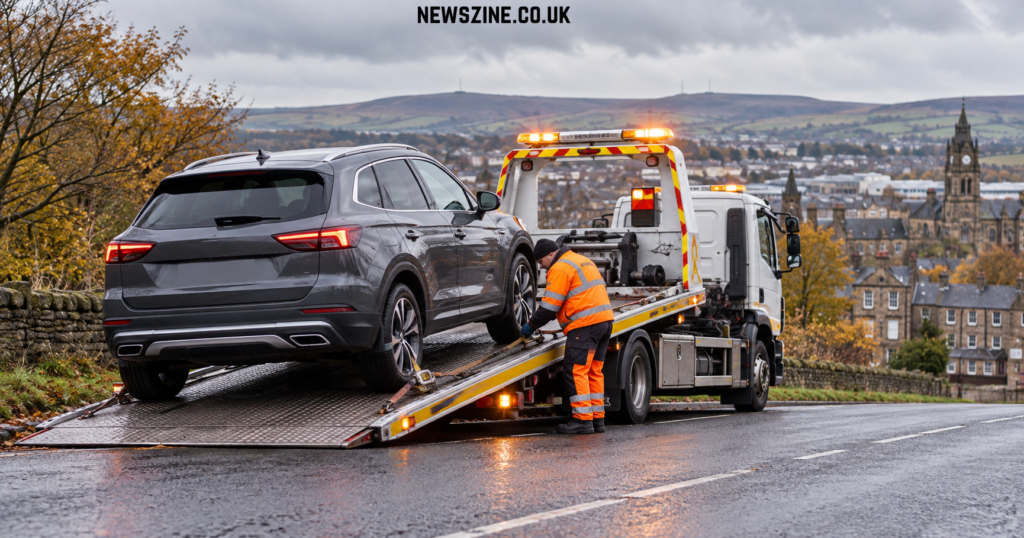
Vehicle Towing Service Oldham
A vehicle problem can interrupt a journey at almost any point. Your engine may suddenly lose power, a dashboard warning could appear, or a tyre problem might force you to stop. Whether this happens on a quiet Oldham street, outside a shopping centre, or on a busy road, knowing what to do can make the situation easier to manage.
Your immediate concern should be protecting yourself, your passengers, and other road users. After reaching the safest available position, you can assess the situation, arrange assistance, and decide where the vehicle needs to go.
Move Away From Danger Where Possible
If the car begins behaving unusually while you are driving, avoid making sudden movements. Reduce your speed gradually, watch surrounding traffic, and look for somewhere suitable to stop. If the vehicle remains controllable, try to get away from the main flow of traffic.
Turn on the hazard lights once you have stopped. On high-speed roads, follow the safety instructions that apply to that particular route. When leaving the vehicle is safe, use the door furthest from passing traffic and wait well away from the carriageway. A safety barrier can provide a more suitable waiting position where one is present.
There may be circumstances where getting out creates a greater danger. In that situation, stay inside with your seatbelt secured and contact the relevant assistance or emergency service.
Consider Whether the Vehicle Can Be Fixed at the Roadside
Not every breakdown means the car needs to be transported. Certain battery, fuel, or tyre problems may sometimes be dealt with at the breakdown location. The possibility of a roadside solution depends on the fault, surroundings, vehicle type, and equipment available.
Other problems require greater caution. Smoke, overheating, fluid leaks, serious dashboard warnings, accident damage, or faults affecting steering and brakes may make continued driving unsafe. A running engine does not automatically mean that a vehicle is suitable to drive.
Instead of attempting to identify a mechanical problem yourself, describe exactly what you experienced to the recovery operator. Details such as unusual sounds, warning messages, loss of power, smells, or visible leaks can help them understand what type of assistance may be required.
Give the Recovery Company a Precise Location
A recovery driver needs to know exactly where the stranded vehicle is situated. Simply providing the name of a long road can make locating you more difficult.
Give as much useful information as possible, including the road number, direction you were travelling, nearby junctions, recognisable buildings, exits, or a postcode. A location pin from your phone can also be useful when it is safe to access it.
Mention whether the vehicle is sitting on a driveway, inside a car park, beside a road, or somewhere with restricted access. Height barriers, locked gates, narrow entrances, and other obstacles should also be explained before the recovery vehicle arrives.
Drivers who experience a breakdown locally can contact a Vehicle Towing Service Oldham provider to discuss the available options for moving their vehicle.
Explain the Vehicle’s Condition Clearly
Recovery companies need more than your location. Information about the vehicle itself helps them determine which recovery method and equipment may be appropriate.
Be prepared to provide the make and model, registration number, fuel or power type, and whether you are driving a car, motorcycle, van, or another type of vehicle. Tell the operator if the wheels turn normally, whether steering remains functional, and whether there is visible accident damage.
Electric and hybrid vehicles should always be identified when arranging assistance. These vehicles can have particular recovery requirements, so the provider may need to consider manufacturer instructions before deciding how they should be moved.
If your vehicle is unusually large, low to the ground, heavily loaded, or modified, mention this during the initial conversation rather than waiting until the recovery truck arrives.
Confirm the Price and Type of Assistance
Before agreeing to recovery, find out what you are actually paying for. Different providers may structure their charges differently, particularly when distance, waiting time, storage, or specialist equipment is involved.
Ask whether the price covers the initial call-out, loading of the vehicle, transportation mileage, and delivery to the agreed destination.
If you already have breakdown insurance, a manufacturer warranty, or another assistance policy, check its conditions first. Your policy may require you to arrange recovery through a particular contact or obtain approval before paying another company directly.
Know the Main Types of Breakdown Assistance
The service provided after a breakdown will depend largely on the condition of the vehicle.
Roadside Assistance
When the problem is relatively straightforward and the surroundings are suitable, a technician may attempt to get the vehicle moving again at the scene. Battery and certain tyre-related issues are examples that may sometimes be handled without transporting the car.
However, roadside work should only take place when the location allows it to be performed safely.
Towing
If the vehicle cannot continue its journey, towing may be considered for moving it to a nearby garage or another agreed location. The operator should determine whether conventional towing is appropriate for the particular vehicle and fault.
Vehicle Transportation
Some vehicles are better transported rather than towed in the traditional way. Collision damage, mechanical condition, specialist vehicle designs, or manufacturer requirements can influence this decision.
Drivers looking for assistance in the area can contact Nationwide Recovery regarding its breakdown recovery service in Oldham and ask which recovery method is suitable for their circumstances.
Mistakes to Avoid During a Breakdown
Trying to solve the problem quickly can sometimes introduce unnecessary danger. Avoid working on a vehicle when passing traffic leaves little room between you and the road. Even a seemingly simple repair is not worth attempting in an unsafe position.
It is also sensible to avoid agreeing to a service without understanding its cost. Ask questions about possible additional charges and make sure the destination is settled before transportation begins.
Take valuables with you when leaving the vehicle where practical, and do not dismiss serious warning signs simply because the engine can still run. Problems involving braking, steering, smoke, excessive heat, or major warning indicators deserve professional attention.
Stay Safe While Recovery Is on the Way
After assistance has been arranged, remain somewhere protected and keep your phone nearby. The recovery operator may need to contact you for additional directions or information.
Keep your vehicle keys accessible. If you have to leave before the recovery team arrives, inform the company and agree on how access to the vehicle will be handled. Avoid hiding keys somewhere unless this has specifically been arranged with the provider.
Visible damage can be photographed if you can do so without approaching traffic or putting yourself in danger. These photographs may later be useful when dealing with a repairer or insurance company.
Handle Collision-Related Breakdowns Carefully
A breakdown resulting from a road accident requires additional steps. Check first for injuries and contact the emergency services when necessary. Follow any instructions provided by the emergency call handler.
When circumstances allow, collect the necessary details from other people involved and record relevant information about the location and visible vehicle damage. Contact your insurer when practical to understand its reporting and recovery requirements.
Your insurer may want the damaged vehicle delivered to a particular repair facility. Confirm this before authorising transportation so that the vehicle does not need to be moved a second time unnecessarily.
Check the Delivery Location Before Recovery
A recovery truck arriving does not mean you should immediately have the vehicle loaded. First confirm exactly where it is going.
If you have selected a garage, make sure it can accept the vehicle. When the business is closed, find out whether there is an approved procedure for leaving vehicles or keys outside normal opening hours.
Access can also create difficulties. A garage entrance may be narrow, a residential property could have limited turning space, or a car park might have a height restriction. Giving these details beforehand allows the recovery operator to consider access requirements before reaching the destination.
Keep Important Breakdown Information Within Reach
Preparing for a breakdown does not require carrying large amounts of paperwork. Keeping a few important details accessible can make arranging assistance much simpler.
Store your vehicle registration, insurance contact information, breakdown policy details, and useful emergency numbers somewhere you can reach easily. It can also be helpful to understand whether your vehicle has any manufacturer-specific recovery instructions.
Owners of electric and hybrid vehicles should pay particular attention to their handbook because incorrect towing or transportation methods may not be appropriate for every model.
Unexpected problems are not limited to vehicles. If you are simultaneously managing property maintenance, specialist services may also be required. For example, a locksmith service in Coventry can provide information about lock and door-mechanism problems within its coverage area.
Similarly, homeowners dealing with roofing concerns around Scotland’s capital can consult Edinburgh Borders Roofing for information about its roofing work and photographic roof survey services.
Finding a Suitable Recovery Service in Oldham
When selecting a recovery company, focus on practical information rather than simply choosing the first available name. Check whether the provider covers your location, works with your type of vehicle, and offers the form of assistance you require.
Explain the circumstances clearly before dispatch. A recovery company should know whether the vehicle has been damaged, whether its wheels move, where it is located, and where you want it delivered.
You should also establish the expected cost and available payment options. If an insurance or breakdown policy may cover the incident, check its requirements before independently arranging transportation.
Nationwide Recovery lists services including vehicle towing, roadside support, breakdown recovery, and vehicle transportation. Current availability and suitability for a particular breakdown should be confirmed directly with the provider.
Final Thoughts
Dealing with a broken-down vehicle becomes more manageable when decisions are made in the right order. Start by getting yourself and the vehicle away from immediate danger wherever possible. Once you are safe, provide the recovery company with an accurate location and a clear description of the vehicle’s condition.
Before recovery begins, understand the service being provided, confirm the cost, and make sure the destination can accept the vehicle. Most importantly, avoid putting yourself in danger for the sake of inspecting or repairing a car beside moving traffic. Professional assistance can deal with the vehicle; your priority should remain your own safety and that of everyone around you.