Bespoke Packaging Manchester: Protective Packaging for Your Product
Bespoke packaging Manchester
Introduction
Packaging is often treated as something that simply holds a product during transport. In reality, the right packaging can influence how safely an item arrives, how efficiently it is handled and how professional the overall delivery experience feels. For businesses dealing with unusual shapes, delicate goods or products that require additional protection, standard boxes and off-the-shelf materials may not always provide the right solution.
This is where Bespoke packaging Manchester can make a practical difference. Instead of forcing a product into a predetermined box or protective format, bespoke solutions can be developed around the dimensions, weight, fragility and handling requirements of the item.
What Is Bespoke Packaging?
Bespoke packaging is tailored to match a product’s exact dimensions and needs, rather than depending on standard, pre-manufactured packaging formats. It can involve custom-shaped protective components, appropriately sized boxes, foam inserts, cushioning materials or combinations of different packaging products.
The goal is not to make the packaging overly complex. A straightforward design can work effectively when it protects the product from the key challenges it may face during storage and delivery.
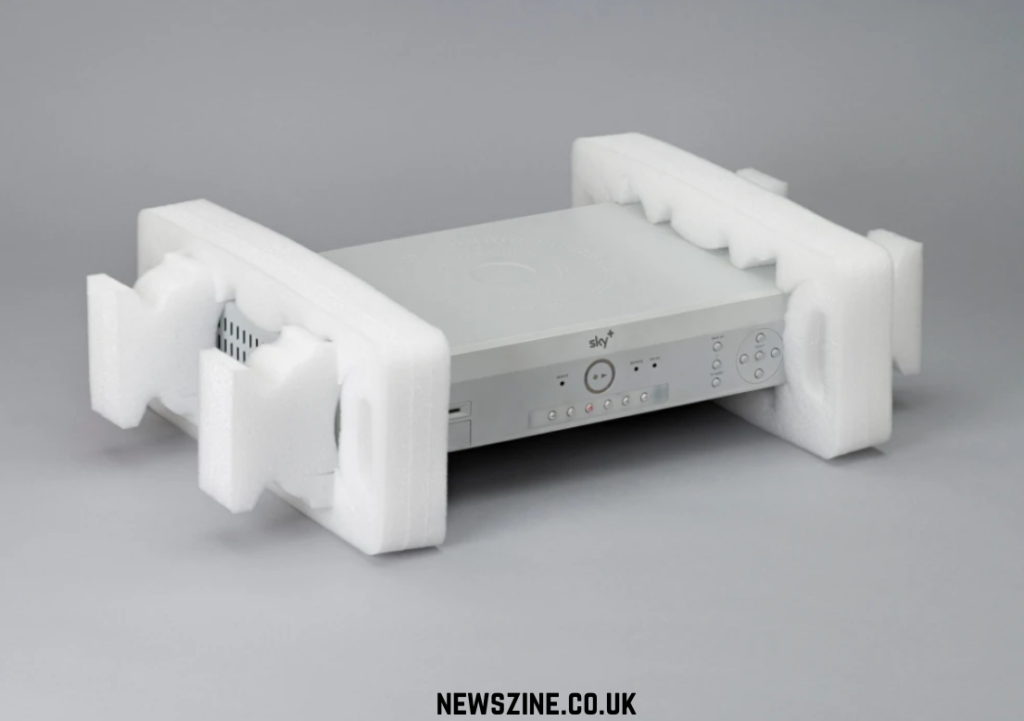
For example, a fragile component may need internal cushioning to prevent movement, while a heavy industrial part may require stronger outer packaging and additional protection. A product with an unusual shape could benefit from packaging that follows its contours rather than leaving large empty spaces around it.
This product-focused approach allows businesses to think about packaging as part of their logistics process rather than an afterthought.
Why Standard Packaging Does Not Always Work
Standard packaging is useful for many everyday applications, but it has limitations. A box that is too large can leave excessive space around the product, increasing movement during transportation. A box that is too small may place unnecessary pressure on the contents or make packing difficult.
There is also the issue of protective material. Simply adding more bubble wrap, foam or paper does not automatically create better protection. The material needs to be used appropriately and positioned where it can absorb impact or prevent movement.
For businesses regularly sending valuable, delicate or specialist products, these small problems can become expensive over time.
Poorly matched packaging can contribute to:
- Product movement inside the package
- Impact and surface damage
- Difficult packing procedures
- Unnecessary use of packaging materials
- Larger parcels and increased storage requirements
- A less consistent packing process
A carefully considered Bespoke packaging solution can address these issues by starting with the product itself.
Designing Packaging Around the Product
The most useful way to approach custom packaging is to begin with the item that needs protection. Its dimensions, weight, shape and vulnerabilities all influence the final design.
Product Dimensions
Accurate measurements are essential. Internal packaging should provide enough room for protective materials while avoiding unnecessary empty space.
This is particularly important for businesses sending products of different sizes. A packaging system can potentially be developed around commonly shipped dimensions instead of relying on one oversized container for everything.
Shape and Structure
Not every product fits neatly into a rectangular box. Components with handles, protruding sections, curved surfaces or delicate edges may require additional consideration.
Protective inserts provide added stability by securing the product inside the package and keeping delicate sections away from the container walls.
Fragility
Different products face different transportation risks. Glass, electronics, finished surfaces and precision components may require cushioning against vibration and impact.
The packaging should therefore reflect the actual weaknesses of the product rather than simply adding generic protective material.
Weight
Heavy products create different packaging challenges. The outer container needs to cope with the item’s weight, while internal protection must remain stable during handling.
A packaging design that looks suitable for a lightweight product may not perform in the same way when used for a substantially heavier item.
Materials Used in Protective Packaging
Custom packaging can use several materials within a single design, with each one selected to suit the product’s specific needs.
Corrugated cardboard is a common choice for outer packaging because it provides a practical balance between strength, weight and ease of handling. Specialist protective materials can then be added inside the box.
Packaging foam sheets can be useful where cushioning or separation is required. Foam can help reduce direct contact between a product and its packaging, particularly when surface protection matters.
Bubble-lined envelopes provide another option for smaller items that need cushioning without using a large outer container. Expanded polystyrene packing cubes can also be used as protective components where lightweight impact protection is appropriate.
Material choice should be based on how the packaging will actually be used. A lower-priced option may cost more in the long run when it cannot provide enough protection for the product.
Benefits of Bespoke Packaging Manchester Solutions
Businesses considering custom packaging usually want more than an attractive package. They need something that works reliably in everyday operations.
Better Product Protection
Packaging designed around an item’s vulnerabilities can help reduce unnecessary movement and provide protection at critical points.
For fragile products, this can be particularly valuable during transportation, where parcels may experience handling, stacking and movement that cannot be completely controlled by the sender.
Efficient Use of Materials
Oversized packaging can consume more cardboard and protective filling than necessary. A better-fitting design can potentially reduce wasted space and material usage.
This does not mean using the minimum amount of protection. Instead, it means using the appropriate protection in the appropriate places.
Easier Packing
A well-designed packaging system can make the packing process more consistent. Staff can follow a defined method rather than deciding how to wrap and position every product individually.
For businesses handling regular orders, this can help simplify day-to-day fulfilment.
Professional Presentation
Packaging plays an important role in shaping how customers perceive and interact with a product. A product arriving securely packed and appropriately presented can create a more organised impression.
For commercial suppliers, manufacturers and service businesses, consistent packaging can reinforce the professionalism of the company.
Support for Different Products
Businesses rarely remain completely static. Product ranges change, dimensions vary and shipping requirements develop.
Working with a packaging supplier that provides a broad selection of protective products can make it easier to adapt packaging arrangements as requirements change.
From Packaging Supplies to Complete Solutions
A useful packaging supplier can provide more than individual boxes or protective materials. Businesses may need several components to work together as one system.
A typical shipment may use sturdy corrugated cartons as the outer layer, protective foam around the contents, and reliable sealing tools to secure the package. Having access to several packaging products can make procurement more straightforward.
A complete packaging approach can also help businesses review how products are packed from beginning to end. Rather than focusing solely on the question, ‘What type of box should we choose”, the more useful question becomes, “What does this product need throughout the packing and delivery process?”
That change in perspective can reveal opportunities to improve protection, handling and material usage.
Choosing a Packaging Supplier in Manchester
When looking for Bespoke packaging Manchester, businesses should consider more than the availability of packaging materials.
Experience with protective packaging is important, particularly when products have unusual requirements. A supplier should be able to understand the practical problems involved rather than simply offering a catalogue of standard products.
It is also useful to consider the range of materials available. A supplier offering boxes, foam, padded packaging and other protective products may be better positioned to develop a combined solution when one material alone is insufficient.
Communication matters too. A packaging requirement can change considerably depending on whether the product is being stored, delivered locally, shipped nationally or transported internationally.
Businesses should explain how their products are handled and what problems they have experienced with their current packaging. A solid foundation makes it easier to create a solution that fits the specific requirements.
Making Packaging Part of the Business Process
Packaging should ideally be considered alongside production, storage and fulfilment. If a product is difficult to pack, takes too long to prepare or requires excessive protective material, the problem can affect more than the final parcel.
A well-planned packaging system can simplify daily operations by making each stage easier to follow and reproduce consistently.
For companies shipping large quantities, even small improvements can become meaningful over hundreds or thousands of packages. Reducing unnecessary space, simplifying packing steps or improving product protection can all contribute to a more organised operation.
This is why Bespoke packaging is not only about creating a box that looks different. It is about finding a practical relationship between the product, the protective materials and the way the business operates.
Conclusion
A good packaging plan begins by identifying the specific protection the product requires. Standard packaging remains useful for many products, but specialist goods, unusual shapes and fragile components can benefit from a more tailored approach.
Bespoke packaging Manchester gives businesses the opportunity to develop packaging around their actual products and handling requirements. By considering dimensions, weight, fragility, cushioning, outer strength and packing procedures, companies can create solutions that are practical as well as protective.
Whether the requirement involves corrugated boxes, foam sheets, padded packaging or a combination of materials, the objective should remain the same: protect the product, simplify the packing process and use packaging resources sensibly.
A well-planned packaging solution therefore becomes more than a container. It becomes a useful part of the business’s wider delivery and fulfilment process.