Donna Sicuranza: A Career Built Around Animal Welfare, Writing, and Community Service
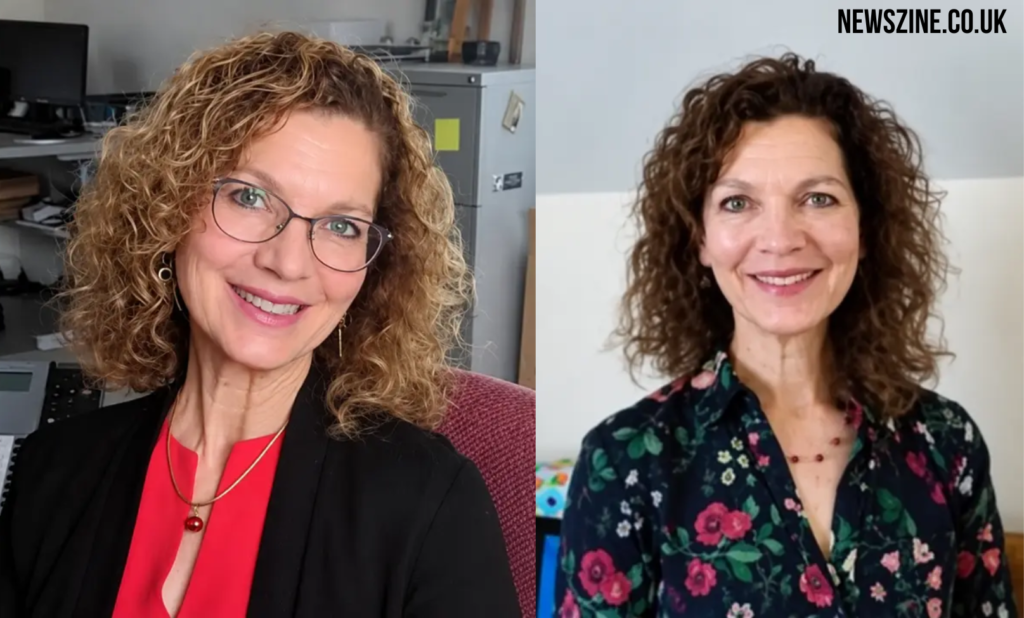
Donna Sicuranza
Donna Sicuranza is an animal welfare professional, writer, editor, and communications specialist based in Connecticut. Her career has moved through two closely connected areas: communication and nonprofit work. After spending years working independently in writing, editing, and public relations, she became closely involved with Tait’s Every Animal Matters, an animal-focused organization in Westbrook, Connecticut.
Sicuranza has served as Executive Director of Tait’s Every Animal Matters since March 1997. Her long association with the organization reflects a career that has developed far beyond a short-term professional appointment. Her educational background in English and her earlier communications work also provide useful context for understanding the experience she brought into nonprofit leadership.
Who Is Donna Sicuranza?
Donna Sicuranza is best known professionally for her work with Tait’s Every Animal Matters. Based in Westbrook, Connecticut, she has spent a substantial part of her working life connected with animal welfare and nonprofit management. Rather than building a career around public recognition, her professional history centers on organizational work, communication, and service.
Before taking on her long-running executive role, Sicuranza worked as a freelance writer, editor, and public relations specialist. That earlier part of her career gave her experience in developing written material and communicating information to different audiences. These abilities can be particularly relevant in nonprofit organizations, where public education, fundraising communication, outreach, and community relationships often form part of daily operations.
An Academic Foundation in English
Sicuranza studied English Language and Literature at Fairfield University, earning her bachelor’s degree after attending from 1978 to 1982. An English degree can provide preparation in research, written communication, critical reading, and the organization of complex ideas. Those skills later aligned naturally with the writing and editorial work she pursued professionally.
Her academic journey continued beyond the completion of her bachelor’s degree. From 1989 to 1992, she attended Trinity College in Hartford, where she completed a master’s degree in English Language and Literature. Returning to higher education while already developing a professional career suggests that language and communication remained an important part of her working interests.
Starting a Professional Career in Communication
Sicuranza began working as a freelance writer, editor, and public relations specialist in January 1983. Her freelance career continued until October 1997, covering nearly fifteen years and taking place primarily across Connecticut and New York.
Freelance communication work can involve very different responsibilities depending on the client and assignment. Writers may prepare articles, promotional material, reports, newsletters, or informational content, while editors focus on clarity, structure, consistency, and accuracy. Public relations adds another dimension by requiring professionals to consider how organizations communicate with the people they serve. Sicuranza’s combination of writing, editing, and PR work therefore placed communication at the center of her early professional life.
Years of Freelance Experience
Working independently for more than a decade requires a different professional routine from holding a single long-term position. Freelancers generally have to adapt to new subjects, audiences, deadlines, and expectations as projects change. They also need to maintain relationships with clients and manage their own workloads.
For Sicuranza, this period represents an important chapter because it came before her long tenure in animal welfare leadership. Her later nonprofit work was in a different field, but the communication skills developed through freelance assignments remained potentially useful. Nonprofit organizations frequently depend on clear explanations of their mission, responsible public messaging, and consistent contact with supporters and local communities.
Joining Tait’s Every Animal Matters
A major change in Sicuranza’s professional path came in March 1997, when she became Executive Director of Tait’s Every Animal Matters in Westbrook, Connecticut. The position placed her in an organizational leadership role focused on animal welfare.
Her transition was not necessarily a complete break from her earlier career. Communication experience can support many aspects of nonprofit leadership, particularly when an organization needs to explain its work, connect with volunteers, reach donors, build local awareness, or discuss animal welfare issues with the public. In this sense, her previous career provided skills that could be carried into a different professional setting.
A Long-Term Executive Role
One of the clearest features of Donna Sicuranza’s career is continuity. She has remained associated with Tait’s Every Animal Matters as Executive Director since 1997. Few professional biographies are defined by such a long connection with one organization.
A lengthy tenure can also mean witnessing significant changes in the environment surrounding nonprofit and animal welfare work. Communication methods have shifted from printed newsletters and traditional media toward websites, email, and social platforms. Public conversations about responsible pet ownership, rescue, adoption, and humane treatment have also continued to develop. Remaining in a leadership position through those changes requires an organization to adapt while retaining its central purpose.
What Executive Leadership in Animal Welfare Involves
The title of Executive Director generally carries responsibilities beyond one specific activity. In nonprofit organizations, executive leadership may involve administration, program oversight, community communication, volunteer coordination, fundraising support, planning, and maintaining relationships with people connected to the organization.
The exact duties can differ considerably from one organization to another, so it would be inaccurate to assign every possible nonprofit responsibility directly to Sicuranza without detailed records. What can be said is that serving for decades as an executive director places her professional identity firmly within the operational and leadership side of animal welfare.
Communication as Part of Nonprofit Work
Sicuranza’s background makes the connection between communication and nonprofit work especially relevant. Animal welfare organizations cannot operate only through direct work with animals. They must also communicate with people.
Potential adopters need accurate information. Volunteers need instructions. Supporters need to understand why programs matter. Communities may need education about animal care or welfare concerns. Donors generally want to know how an organization approaches its mission. Strong communication can help connect all of these groups.
Her earlier experience as a writer, editor, and public relations specialist therefore represents more than a separate career chapter. It provides context for the professional abilities she could bring into nonprofit management.
Writing and Editing Skills in Leadership
Writing is sometimes treated as a specialized creative occupation, but its practical value extends into management. An executive director may need to review public materials, prepare correspondence, communicate organizational priorities, explain programs, or present information in a form that supporters can understand.
Editing is equally relevant because organizations need consistency and accuracy in their external communication. Poorly structured information can create confusion even when the underlying work is valuable. Sicuranza’s long history in both writing and editing gave her experience in shaping information before she moved fully into nonprofit leadership.
Public Relations Experience and Community Connections
Public relations is largely concerned with the relationship between an organization and its audience. In animal welfare, those relationships can involve residents, volunteers, veterinary professionals, adopters, donors, local businesses, and other community groups.
Sicuranza had already spent years working in public relations before taking her executive position. That experience would have exposed her to the importance of audience awareness and carefully managed communication. While animal welfare introduced a different subject matter, the underlying need to build and maintain public understanding remained relevant.
Building a Career Outside the Spotlight
There is relatively limited mainstream biographical coverage of Donna Sicuranza compared with entertainers, politicians, or other public figures. That should not be confused with an absence of professional history. Her available career information points instead toward work conducted mainly within nonprofit, community, and professional settings.
This distinction matters when discussing people whose careers are based on service rather than celebrity. Information about their personal lives may not be widely available because public exposure was never the central part of their professional identity. In Sicuranza’s case, the documented information is strongest around education, communications experience, and animal welfare leadership.
A Professional Path with Two Main Chapters
Sicuranza’s career can broadly be understood through two periods. The first centered on writing, editing, and public relations. Beginning in 1983, she spent close to fifteen years working independently across Connecticut and New York. The second developed around her leadership at Tait’s Every Animal Matters from 1997 onward.
These two chapters are different, but they are not disconnected. Both depend heavily on working with people and information. A communications professional must understand how to present ideas clearly, while a nonprofit leader must help an organization explain its purpose and maintain relationships with the community.
Education and Career Working Together
Sicuranza’s academic and professional history also shows a consistent emphasis on language. She earned both undergraduate and graduate degrees in English Language and Literature before eventually directing most of her professional attention toward animal welfare.
Degrees do not always lead to careers with titles that directly match the subject studied. The broader abilities developed through education can be applied in many fields. Reading, research, writing, editing, and critical thinking can be useful in administration, advocacy, nonprofit management, and public communication. Her career provides an example of those skills moving into a field that might initially appear unrelated to English studies.
The Importance of Long-Term Nonprofit Leadership
Nonprofit organizations often depend heavily on continuity. Staff members and volunteers may change, funding conditions can shift, and community needs can evolve. Long-serving leaders can provide institutional knowledge that helps an organization understand how earlier decisions were made and how programs have developed.
Sicuranza’s tenure at Tait’s Every Animal Matters stretches back to the 1990s. That means her connection with the organization covers several decades of change in both communications and approaches to animal welfare. The duration itself is one of the most notable documented facts about her professional career.
A Career Focused on Practical Work
The available details about Donna Sicuranza do not point toward a career designed around building a public persona. Instead, they describe someone whose professional life has involved practical communication work followed by long-term nonprofit leadership.
That type of career can receive less attention online because much of the work happens behind an organization’s public-facing activities. Planning, correspondence, administration, editing, relationship building, and organizational management may not attract the same visibility as public appearances, yet they remain necessary for nonprofit operations.
From Independent Work to Organizational Responsibility
Moving from freelance work into executive leadership also represents a significant professional shift. Freelancers are largely responsible for managing their own assignments, schedules, and client relationships. Executive leadership requires thinking about the needs of an entire organization rather than individual projects.
Sicuranza made that transition after years of independent professional experience. By 1997, she had already built a substantial background in communications. Her later career placed those abilities within a more permanent organizational structure and connected them with animal welfare.
Why Donna Sicuranza’s Professional Story Stands Out
What makes Sicuranza’s career notable is not a single public event but its consistency. Her professional history combines higher education in English, almost fifteen years of freelance communications work, and decades of leadership in an animal-focused nonprofit organization.
It also demonstrates how careers can change direction without abandoning earlier skills. Writing, editing, and public relations may seem separate from animal welfare at first, yet nonprofit organizations depend heavily on communication. Sicuranza’s professional path brought those areas together.
Conclusion
Donna Sicuranza has built a career across communication and animal welfare. After earning a bachelor’s degree in English Language and Literature from Fairfield University, she later completed a master’s degree in the same general field at Trinity College in Hartford. Alongside her education, she developed extensive professional experience as a freelance writer, editor, and public relations specialist.
Her career took a new direction in 1997 when she became Executive Director of Tait’s Every Animal Matters in Westbrook, Connecticut. Her long tenure there has become the defining part of her professional profile. Rather than being centered on personal publicity, Sicuranza’s documented career reflects sustained organizational involvement, communication experience, and work connected with animal welfare in her Connecticut community.