
Michelle Dewberry: Her Life, Business Career, Television Success and Personal Story
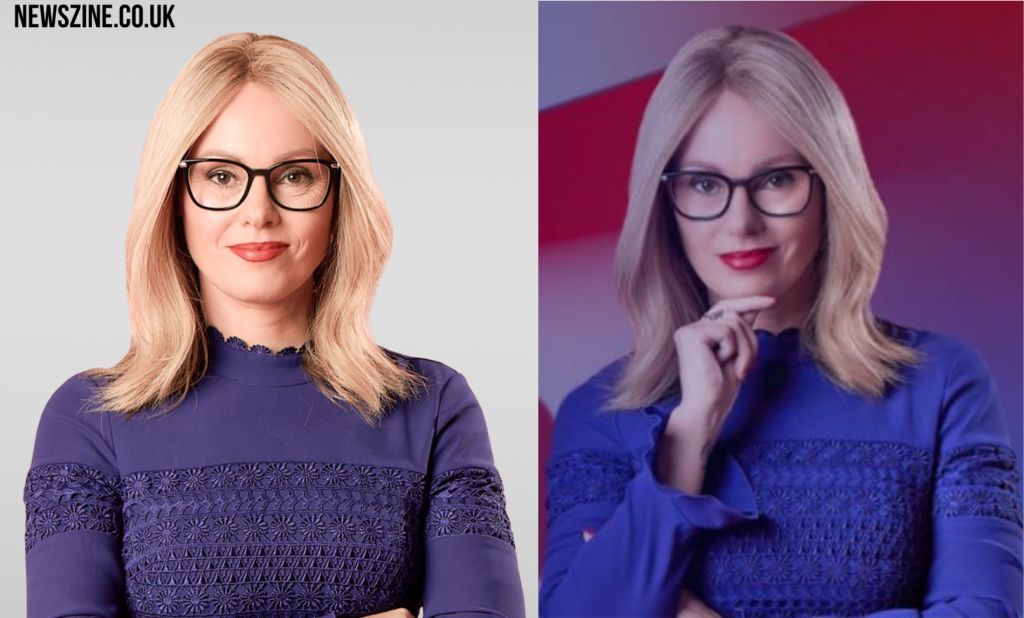
Michelle Dewberry
Michelle Dewberry is a British businesswoman, television presenter and political commentator who became widely recognised after winning the BBC reality programme The Apprentice in 2006. Her career has developed across several fields, including information technology, business consultancy, television broadcasting and politics. Rather than following a conventional academic route, she built her professional life through workplace experience and practical training.
Dewberry’s public profile extends beyond her television success. She has contested parliamentary elections, presented political discussions and spoken about personal experiences that influenced her outlook. Her background in Hull, her commercial career and her interest in public debate remain important parts of her story.
Early Life and Education
Michelle Dewberry grew up in Kingston upon Hull, East Yorkshire, where her early experiences shaped her approach to work and independence. She left school at 16 without the qualifications needed to make entering professional employment straightforward. Instead of continuing through the traditional education system, she began looking for work and gradually discovered opportunities to develop her skills.
Her early employment included working at a supermarket checkout, helping in a pub kitchen and undertaking childcare work. These jobs provided practical experience but did not offer the long-term career prospects she wanted. At 17, she started a training placement with St John Ambulance, gaining practical workplace experience that helped guide her towards a career in technology.
How Michelle Dewberry Built Her Business Career
Dewberry found her professional direction in information technology, a sector in which she developed skills through employment and experience. She learned how technology supported business operations and progressed into consultancy work. Her career required her to understand commercial problems, communicate with clients and contribute to projects that involved more than technical knowledge alone.
She has stated that she was earning a six-figure salary by the age of 24. This achievement came before her television breakthrough and demonstrates that she had already established herself professionally. Her experience also became part of the story that distinguished her from candidates whose careers had followed more conventional academic routes.
Winning The Apprentice in 2006
Michelle Dewberry became a household name after competing in the second series of the BBC’s The Apprentice. The programme brought candidates together to complete business challenges involving sales, marketing, negotiation and teamwork. Their performance was assessed by businessman Alan Sugar, who selected a winner at the end of the competition.
Dewberry emerged as the winner in 2006 after competing against Ruth Badger in the final. The victory gave her national recognition and introduced her professional background to a much larger audience. However, the programme was not the starting point of her career; she entered the competition with experience in consultancy and an established understanding of commercial work.
Working With Alan Sugar
Her victory on The Apprentice secured Dewberry a position within Alan Sugar’s business operation. The position offered valuable exposure to a prominent entrepreneur and represented a major professional opportunity. Nevertheless, the arrangement did not last long, and she left the role in 2006 to pursue independent business interests.
Her decision attracted attention because viewers had watched her compete for the job. Yet moving away from the position allowed her to explore opportunities beyond the structure of the television programme. She subsequently developed her public profile through business activities, speaking engagements and writing, demonstrating that winning a reality competition can lead to several different career directions.
Michelle Dewberry’s Television Career
Following her success on The Apprentice, Dewberry began appearing more frequently in discussions about business, politics and current affairs. Her commercial experience provided a foundation for commenting on employment, economic decisions and professional opportunities. Over time, her work shifted towards political debate, where she became known for expressing clear opinions on issues affecting Britain.
She worked with Sky News and appeared on The Pledge, a programme that brought together contributors with differing perspectives. This experience helped establish her as a political commentator rather than simply a former reality television contestant. Her media career continued to grow as she took on broadcasting opportunities at GB News.
Her Role at GB News
The programme allowed her to address political affairs, social issues and significant stories from different perspectives.
She advocates respectful debate, believing people should consider alternative perspectives even when they disagree with them. Her broadcasting approach also reflects her interest in communities outside London, particularly the experiences of people whose concerns may receive less attention in national political discussions. As with other political presenters, her opinions have attracted both support and criticism from different sections of the audience.
Michelle Dewberry’s Political Career
Dewberry’s involvement in politics developed after she became interested in current affairs around 2010. Having previously paid little attention to elections, she began following political debates more closely and eventually decided to participate directly in the electoral process.
In the 2017 general election, she stood as an independent candidate in Kingston upon Hull West and Hessle. She received 1,898 votes but did not win the seat. Two years later, she returned to the same constituency as a Brexit Party candidate during the December 2019 general election. She received 5,638 votes, an increase from her previous campaign, but Labour’s Emma Hardy retained the constituency. These campaigns gave Dewberry direct experience of electoral politics, although neither resulted in a seat in Parliament.
Family Background and the Loss of Her Sister
Dewberry’s perspective on life has been deeply shaped by the experiences and relationships within her family. She has spoken about being one of six siblings and losing her older sister when she was just 19. The bereavement affected her understanding of life and encouraged her to make greater use of the opportunities available to her.
This experience has been connected to her interest in taking on personal challenges, including endurance events, travelling and writing. Her family background also helps explain her continuing attachment to Hull, where many of her relatives live. Despite developing a career with a national audience, she has continued to identify strongly with her hometown.
Motherhood and Her Prematurely Born Son
Motherhood brought a different set of responsibilities into Dewberry’s life. Her son was born prematurely during the COVID-19 lockdown, creating a challenging period for the family. She has spoken about the effort involved in caring for him and the emotional demands associated with feeding a premature baby.
One experience she has discussed publicly was expressing breast milk for eight months. She described the routine as physically exhausting and mentally difficult, requiring sustained commitment over an extended period. Her account provides a personal perspective on the demands parents can face and shows a side of her life that is separate from her professional identity.
Mental Health and Personal Struggles
Dewberry has also spoken openly about experiencing suicidal thoughts over several years. She has explained that she did not fully recognise that she was unwell at the time and later regretted not understanding her situation sooner. Her openness highlights that mental health struggles can occur even among people who appear successful and confident in public.
By discussing her experience, she has highlighted the importance of recognising psychological distress and seeking appropriate support. Her story also demonstrates why personal difficulties should not be dismissed simply because someone appears confident or successful in public. Mental health is an important part of her personal history, although it represents only one aspect of her wider life and career.
Interests, Writing and Personal Values
Outside her professional work, Dewberry has pursued activities such as running marathons, completing triathlons and travelling. These interests reflect her desire to take on challenges beyond business and television. She has also written about her life, publishing her autobiography, Anything Is Possible, in 2007 after her success on The Apprentice.
Personal responsibility, fairness and open debate are recurring themes in her public comments. She has argued that people should be able to disagree without automatically dismissing those who hold different views. She also believes that political discussion should include perspectives from across the country, rather than focusing exclusively on London and Westminster.
Why Hull Remains Important to Michelle Dewberry
Hull continues to be central to Dewberry’s personal identity. It is the city where she grew up, began her working life and maintains important family connections. Her attachment to the area has also influenced her political activity and her interest in the experiences of people living outside the UK’s political centre.
Her background gives her a personal connection to discussions about employment, opportunity and regional representation. Despite building a career in national broadcasting, Dewberry still considers Hull her hometown and maintains a strong connection to the city. This connection remains one of the most consistent elements of her public story.
Conclusion
Michelle Dewberry’s career developed from early employment in Hull into information technology, business consultancy, television and political commentary. Winning The Apprentice in 2006 brought national recognition, but her professional experience had begun well before her appearance on the programme. Her later work in broadcasting and her attempts to enter Parliament expanded her public role beyond business.
Her life has also included personal loss, motherhood and mental health challenges, which she has discussed openly. These personal experiences reveal sides of Dewberry’s life that extend beyond her work in television and media. Her continuing work in political broadcasting, commitment to public discussion and connection to Hull remain defining features of her career.